
toughened glass 8 mm price
Thread gauges are indispensable tools in manufacturing and engineering, ensuring the precision and interchangeability of threaded components. Whether in automotive, aerospace, or general machinery, the accuracy of threads directly impacts product performance and safety. This article explores four critical types of thread gauges— screw thread plug gauge , standard thread gauge , reversible thread plug gages , and thread gauge —providing insights into their applications, best practices, and maintenance. By mastering their usage, manufacturers can optimize quality control and streamline production processes. Understanding the Role of a Screw Thread Plug Gauge in Precision Manufacturing A screw thread plug gauge is a cylindrical tool designed to verify the dimensional accuracy of internal (female) threads. Its primary function is to ensure that tapped holes meet specified tolerances, preventing assembly issues or mechanical failures. How It Works The gauge consists of two ends: a "GO" end and a "NO-GO" end. The GO end must thread smoothly into the hole without force, confirming the minimum material condition. Conversely, the NO-GO end should not enter beyond two turns, validating the maximum material limit. This dual-check system guarantees threads are within acceptable bounds. Applications Industries such as oil and gas rely on screw thread plug gauges to validate high-pressure fittings, while automotive manufacturers use them to inspect engine block threads. Proper usage reduces rework costs and ensures compliance with international standards like ISO 1502. Best Practices Always clean the gauge and workpiece before testing to avoid debris-induced inaccuracies. Store gauges in controlled environments to prevent thermal expansion or corrosion. Calibrate regularly using master gauges to maintain traceability. The Importance of Standard Thread Gauge in Global Quality Assurance A standard thread gauge serves as the universal reference for thread conformity, ensuring compatibility across global supply chains. These gauges adhere to established specifications such as UNC (Unified National Coarse) or metric threads, enabling seamless interoperability. Role in Standardization By using standard thread gauges , manufacturers guarantee that components produced in different regions fit together perfectly. For example, a bolt made in Asia must align with a nut manufactured in Europe if both are verified using the same standardized gauge. Industry Compliance Regulatory bodies like ANSI and DIN mandate the use of standard thread gauges for critical applications. In aerospace, even minor thread deviations can compromise structural integrity, making adherence to these standards non-negotiable. Implementation Tips Select gauges that match the thread series (e.g., UNF, NPT) specified in design blueprints. Train quality inspectors to interpret tolerance codes like 6H (internal threads) or 6g (external threads). Document inspection results digitally for audit trails and process improvement. Maximizing Efficiency with Reversible Thread Plug Gages Reversible thread plug gages are innovative tools featuring a dual-ended design that combines GO and NO-GO elements into a single unit. This compact configuration enhances portability and reduces inspection time, ideal for high-volume production lines. Design Advantages Unlike traditional gauges, reversible thread plug gages allow operators to flip the tool for quick transitions between GO and NO-GO checks. This minimizes handling errors and accelerates workflow, particularly in environments with rapid part turnover. Use Cases These gauges excel in industries like electronics, where small threaded connectors require frequent sampling. For instance, a smartphone manufacturer might use reversible thread plug gages to validate thousands of micro-threads daily without slowing production. Maintenance Guidelines Lubricate the reversible mechanism periodically to ensure smooth operation. Inspect threads for wear using magnification tools, especially in high-frequency applications. Replace worn gauges promptly to avoid false acceptances or rejections. Comprehensive Insights into Thread Gauge Selection and Maintenance A thread gauge is a broad category encompassing various tools for internal and external thread inspection. Selecting the right type depends on factors like thread size, pitch, and application criticality. Selection Criteria Material: Carbide gauges offer durability for high-volume use, while steel suits general-purpose applications. Tolerance Grade: Choose Class X for precision instruments or Class Y for commercial fasteners. Coating: Titanium nitride coatings reduce wear in abrasive environments. Maintenance Protocols Clean gauges after each use with a soft brush and solvent. Store in protective cases to prevent physical damage. Schedule annual recalibration with accredited laboratories. Cost-Benefit Analysis Investing in high-quality thread gauges reduces long-term costs by minimizing defective batches. For example, a automotive plant avoiding a single recall due to thread failure can save millions in reputational and financial losses. FAQs About Thread Gauge Products How does a screw thread plug gauge differ from a standard thread gauge? A screw thread plug gauge specifically checks internal threads, while a standard thread gauge refers to tools calibrated to industry-wide specifications for both internal and external threads. The former is application-specific, whereas the latter ensures global compatibility. Can reversible thread plug gages replace traditional GO/NO-GO gauges? Yes. Reversible thread plug gages combine both functions into one tool, offering efficiency gains. However, they must meet the same tolerance standards as standalone gauges to ensure accuracy. What industries benefit most from thread gauge applications? Aerospace, automotive, oil and gas, and electronics rely heavily on thread gauges due to their need for precision and reliability in high-stress environments. How often should standard thread gauges be recalibrated? Annual recalibration is recommended, though high-use environments may require quarterly checks. Always follow ISO 17025 guidelines for traceability. Are screw thread plug gauges compatible with all thread standards? No. Each screw thread plug gauge is designed for a specific standard (e.g., ISO, ANSI). Users must select gauges matching their thread specifications. Mastering thread gauge usage is pivotal for achieving manufacturing excellence. By leveraging tools like screw thread plug gauges , standard thread gauges , and reversible thread plug gages , industries can uphold stringent quality standards while optimizing operational efficiency. Regular maintenance, proper selection, and adherence to global protocols ensure these instruments deliver consistent, reliable results, safeguarding product integrity in an interconnected industrial world.
about
toughened glass 8 mm price
Priser på 3-tommers sommerfuglvand Når man skal investere i rørleggerprodukter som sommerfuglvand, er det mange faktorer å vurdere. En av de viktigste er prisen, spesielt når det gjelder spesifikasjoner som 3 tommer størrelse. 3-tommers sommerfuglvand er kjent for sin effektivitet og pålitelighet i ulike applikasjoner, fra industriell bruk til husholdningssystemer. I denne artikkelen vil vi se nærmere på prisene for dette produktet og hva som påvirker kostnadene. Priser på 3-tommers sommerfuglvand Når det gjelder priser, kan kostnadene for 3-tommers sommerfuglvand variere betydelig. Generelt kan man forvente å betale mellom 300 og 1500 norske kroner avhengig av materialer, merkevare og spesifikasjoner. For eksempel, sommerfuglvand laget av rustfritt stål vil vanligvis koste mer enn de laget av plast eller aluminium, men de tilbyr også bedre holdbarhet og korrosjonsmotstand. 3 inch butterfly valve price Kvaliteten på ventilen er også en viktig faktor for prisen. Høyere kvalitetsprodukter som er laget for industriell bruk, har ofte lengre levetid og bedre ytelse, noe som kan være en fordel på lang sikt. Det kan derfor være verdt å investere mer i en bedre ventil hvis den skal brukes i krevende forhold. En annen faktor som påvirker prisene er tilgjengeligheten og leverandøren. Det kan være lurt å sammenligne priser fra forskjellige leverandører og vurdere både lokale butikker og nettbutikker. I tillegg til prisen, bør man også ta hensyn til fraktkostnader og leveringstid, spesielt hvis man trenger produktet raskt. Det er også viktig å sjekke garantien og returpolicyen når man kjøper sommerfuglvand. En god garanti kan gi ekstra trygghet når man investerer i omkostningene ved dette produktet. Avslutningsvis er prisen på en 3-tommers sommerfuglvand avhengig av mange faktorer, fra materialvalg til kvalitet og leverandør. Ved å gjøre grundig research og sammenligne alternativer, kan man finne en løsning som både passer budsjettet og oppfyller de nødvendige kravene. Investering i en kvalitets sommerfuglvand kan gi stor verdi over tid, både i form av pålitelighet og ytelse.
-

High quality industrial productsagement

High quality industrial products
View Details -

Meet the diverse needs of customers

Meet the diverse needs of customers
View Details -

Strict quality control

Strict quality control
View Details -

Top raw materials

Top raw materials
View Details -

Trusted supplier

Trusted supplier
View Details
Our application



news and information

Valvola di ritegno di mezzo pollice
Valvole di controllo da mezzo pollice Funzioni e applicazioni Le valvole di controllo da mezzo polli
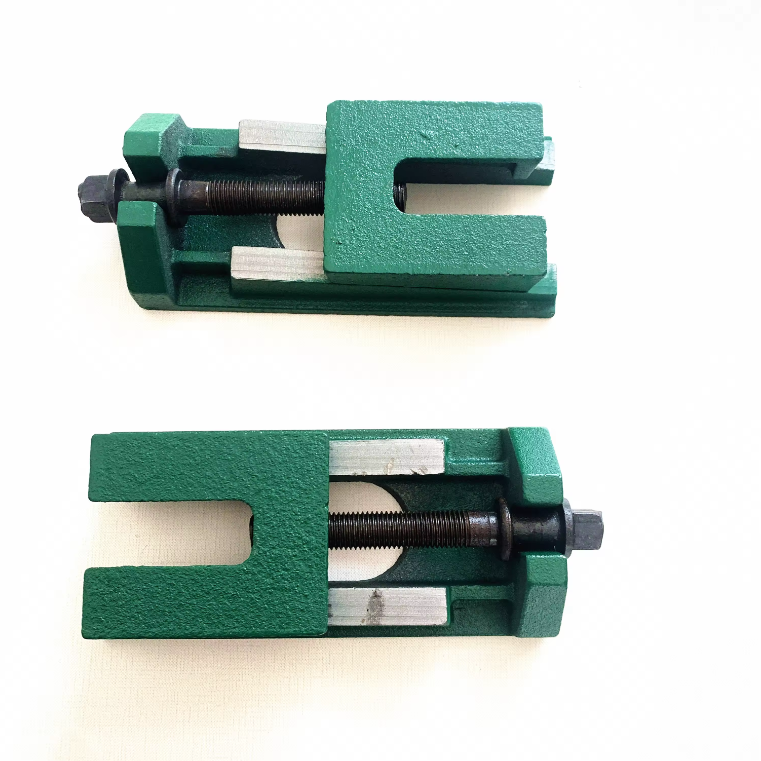
Válvula de gate de 400mm para sistemas de tubulação industriais e comerciais
400mm gate valve .

Vente de clapets anti - retour
Vente de vannes anti-retour Un choix judicieux pour votre système hydraulique Les vannes anti-retou
 English